
Today’s mortgage and housing headlines were dominated by the Fed Rate Cut and what it means for markets, legislation and home sales activity. The Federal Reserve’s quarter‑point cut drove modest improvements in mortgage rates and MBS pricing, but Fed Chair Jerome Powell made it clear that lower rates alone won’t fix deeper housing market constraints. Meanwhile, key bipartisan housing reform stalled in Congress, and Powell emphasized the mortgage lock‑in effect as a persistent drag on mobility and market fluidity. For mortgage pros and real estate professionals, the focus keyword Fed Rate Cut will be central to understanding today’s market dynamics and where opportunities lie in 2026.
Mortgage Bonds & Rates Improve After Fed Rate Cut
Read the Full Story → Mortgage News Daily
Mortgage News Daily reported that following the latest Fed Rate Cut, secondary mortgage markets and mortgage bond prices rallied modestly, pushing 30‑year fixed rates slightly lower to around 6.30%. Rates softened in part due to the decline in the 10‑year Treasury yield that accompanied the Fed’s decision. Current mortgage rate data shows small weekly improvements that reflect market optimism tied to monetary policy easing. Still, broader economic forces and bond market behavior remain the primary drivers of mortgage rates.
MBS commentary noted that the Fed’s communication about future policy was cautious: while the cut is supportive, officials signaled they may pause further reductions if inflation pressures persist. That outlook has important implications for how long mortgage rates could stay elevated, even after the Fed takes action meant to lower borrowing costs.
Mortgage professionals are watching markets for how this Fed Rate Cut plays out in mortgage pricing and loan demand, especially as lenders adjust pricing relative to bond yields and current homebuyer interest.
Join the Daily LOBC Live Call
If you’re digesting all this Fed Rate Cut news and wondering what moves to make next — join the Daily LOBC live call! Every weekday morning, we break down market news before lenders and agents get to their desks. Coaches and guest experts share actionable strategies on navigating rate moves, pricing tips to stay competitive, and insights on how to capture more business when volatility hits.

Whether it’s mastering price locks, understanding rate sheets, or talking buyers off the mortgage rate cliff, LOBC covers it all in 30 minutes or less — free. You’ll walk away with perspective on current mortgage spreads, pipeline management tactics, and the confidence to talk to prospects and referral partners about why today’s Fed Rate Cut matters.
Click the live stream image to join the call.
ROAD to Housing Act Pulled from Defense Bill — Reform Delayed
Read the Full Story → Scotsman Guide
Scotsman Guide reports that a major bipartisan housing bill, the ROAD to Housing Act, was removed from a must‑pass defense bill, pushing meaningful housing reform efforts into 2026. The bill would have included measures to address barriers to homeownership and support housing supply — long sought after in an era shaped by elevated mortgage rates and market lock‑in dynamics.

Its absence underscores how Fed Rate Cut headlines aren’t the only policymakers’ tool in trying to support the housing market. Structural policy efforts still face political hurdles, meaning legislative help might lag behind the monetary policy shifts that markets react to daily.
Mortgage and real estate professionals have noted that without complementary housing supply reforms, rate cuts alone may have limited impact on long‑term affordability and inventory shortages.
Powell Flags Mortgage Lock‑In Effect as Market Drag
Read the Full Story → MPAMAG
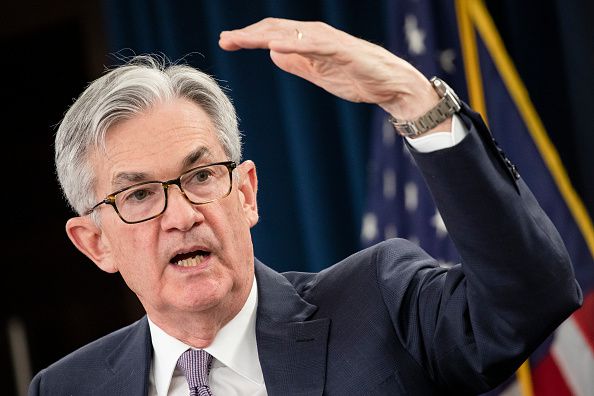
In comments following the Fed’s rate decision, Federal Reserve Chair Jerome Powell acknowledged that even with the Fed Rate Cut, housing market challenges are deeper than just elevated interest rates. Powell said a 25‑basis‑point reduction in the federal funds rate “may not make much of a difference” for housing activity given structural headwinds.

Powell specifically pointed to low housing supply and the mortgage lock‑in effect, where homeowners with pandemic‑era low rates are reluctant to sell because they would have to take on higher mortgage rates today — a dynamic that has limited listings and slowed transactions.
While monetary policy influences broader costs, Powell emphasized that the housing shortage and market mobility issues are not things the Fed can fix on its own, suggesting that further Fed Rate Cut moves won’t solve inventory or construction bottlenecks.
Loan Officer Perspective
Loan officers can use the current Fed Rate Cut narrative to educate borrowers on why mortgage rates are moving differently than Fed funds. While the federal funds rate influences short‑term borrowing costs, mortgage rates are more closely tied to bond markets and supply/demand dynamics. This is a great opportunity to explain how MBS pricing impacts loan pricing, and why savvy borrowers might still find good options now rather than waiting. Emphasize the importance of effective rate locking tools and crystal‑clear communication on rate forecasts.
Real Estate Agent Perspective
For agents, the Fed Rate Cut gives a chance to reignite conversations with buyers who may have previously shelved their plans. Even modest downward shifts in mortgage rates can improve affordability, and pairing rate insights with localized inventory data can help agents make persuasive cases for clients to revisit the market. At the same time, be sure to address the lock‑in effect: many homeowners may be holding on due to their low existing rates, so creative strategies around pricing and making moves are key.
Powered by: Mortgage Marketing Animals
Important Links